
Sports Psychotherapy
Supporting performance by understanding the person behind the athlete
Sports psychotherapy focuses on the psychological and emotional factors that can affect sporting performance, motivation, confidence, consistency, and wellbeing.
Athletes and performers often experience pressures that extend far beyond the pitch, training ground, or competition environment. Difficulties with confidence, anxiety, identity, injury, performance pressure, or motivation can all impact both performance and overall wellbeing.
The work aims to understand the individual behind the performance, recognising that emotional wellbeing and sporting performance are closely connected.
Happier players often make better players
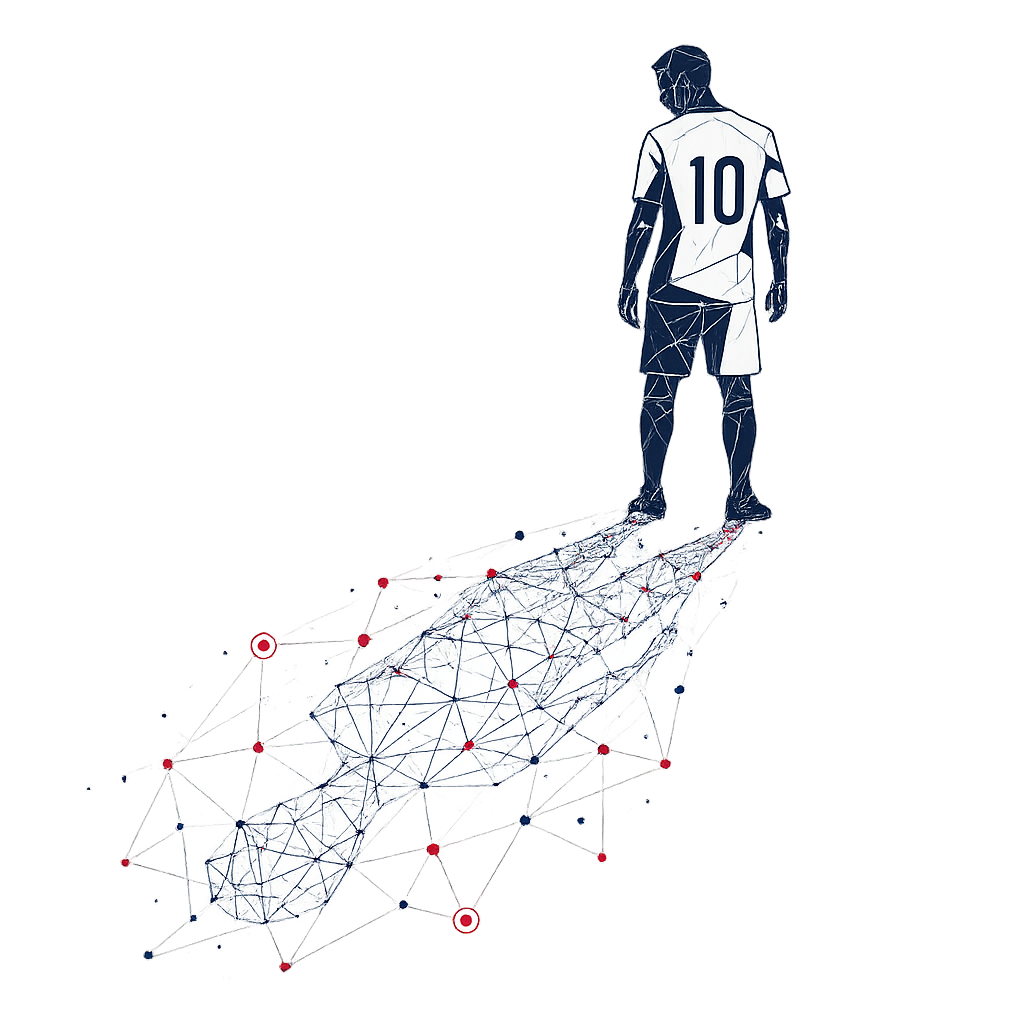
Beyond Performance Psychology
Rather than focusing only on surface-level performance techniques, sports psychotherapy explores the deeper emotional and psychological experiences that may affect an athlete’s ability to perform consistently and confidently.
This may involve exploring personality dynamics, emotional patterns, relationships, identity, and the pressures associated with elite or competitive environments.

The aim is not simply to improve performance, but to support healthier and more sustainable functioning both within and beyond sport.
Areas Often Explored
Performance anxiety
Confidence and self-belief
Loss of motivation
Injury and recovery
Pressure and expectations
Identity outside of sport
Burnout and emotional fatigue
Team dynamics and relationships
Fear of failure
Consistency and mindset

Who this service is for?
Professional Athletes
Semi - Professional Athletes
Footballers
Coaches and staff
Young athletes in development pathways
Performers under pressure
Your Questions, Answered
-
No. Support can benefit individuals at many levels of sport and performance environments.
-
Sports psychotherapy focuses on the emotional and psychological aspects affecting performance and wellbeing, rather than technical coaching or tactical development.
-
Yes. These are common areas explored within the work, alongside the deeper emotional factors that may contribute to them.
-
Yes. Periods of poor performance can often involve emotional, psychological, relational, or confidence-related factors that may benefit from deeper exploration.
-
No. Support may benefit individuals across a range of sports, competitive environments, and performance-based professions.
-
These experiences are often closely connected. Sessions provide space to think about both the performance-related symptoms and the wider emotional context around them.
-
Yes. Sessions are confidential.
-
Yes. Injury can affect identity, confidence, motivation, routine, and emotional wellbeing, particularly within highly competitive environments.
-
Yes. Younger athletes navigating academy systems, competitive pressure, identity development, or transitions may benefit from therapeutic support.




Hear from my client
“I was in therapy with David for about 2 years. Throughout, David provided ample space for me to explore my thoughts and feelings, while also providing gentle guidance and focus. Overall, it was a period of deep reflection and personal development. I am happy that I invested the time and energy, and that I had David to guide me through.”